
HHTU News Roundup
CONIFAS 2 sites get the greenlight
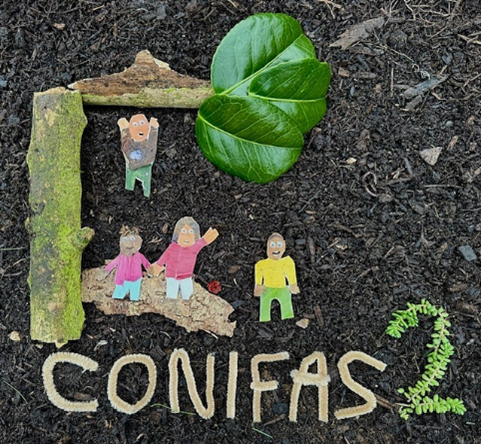
Two new sites in the CONIFAS 2 study were given the green light in August. These were Leeds Community Healthcare NHS Trust and Cornwall Partnership NHS Foundation Trust. The team are pleased that the intervention can now reach more children with ADHD.
The intervention is a home-based, family-led intervention delivered with professional third-party telephone support. It encourages daily engagement with nature for at least 10 minutes and includes activity cards and supportive psychoeducational elements.
The study is funded by the NIHR Research for Patient Benefit (RfPB) programme and sponsored by Humber Teaching NHS Foundation Trust. It is led by Dr Hannah Armitt, Clinical Research Psychologist at Humber Teaching NHS Foundation Trust, and managed at HHTU by Trial Manager Kathryn Date.
Studies get approvals
The NEOREHAB and CANBenefit 3 studies have now received approval, and the teams are working towards study green lights so they can begin recruiting.
NEOREHAB is an HHTU-managed study funded by Yorkshire Cancer Research and sponsored by the University of Hull. It is led by Dr Cecilia Pompili, Thoracic Surgeon and Senior Clinical Lecturer in Psychosocial Oncology, and managed at HHTU by Trial Manager Grant Constable.
Patients with curable surgical lung cancer are often elderly, current smokers, and have medical comorbidities. Since March 2023, a new treatment involving chemo-immunotherapy before surgery has been offered and has been reported to improve survival. However, 20% of patients are unable to undergo surgery, while others experience treatment-related side effects.
To maximise the benefits of the neoadjuvant regimen, there is an urgent need to optimise patients’ health before, during and after surgery. This will help ensure the advantages of immunotherapy translate into improved survival outcomes. Investigating guideline-recommended cardiopulmonary fitness in this context is important, as it can identify predictors of fitness decline and surgical complications, helping to identify high-risk groups who may benefit most from an exercise programme.
The NEOREHAB study will evaluate the feasibility of providing a hybrid exercise programme for patients undergoing neoadjuvant treatment for resectable lung cancer.
The study will assess the impact of this intervention on quality of life, fitness for surgery, postoperative morbidity and serum inflammatory markers.
The CANBenefit 3 study is also funded by Yorkshire Cancer Research. It is led by Dr Cindy Forbes, Senior Lecturer in Physical Activity at Hull York Medical School.
CANBenefit 2, like similar research, highlighted the challenges of recruitment into a clinical trial of this nature. Patient pathways made it difficult to determine the most appropriate time to approach patients for research consent, and many declined to participate because they felt overwhelmed.
In this study, a new cancer rehabilitation service will be embedded within standard NHS cancer services to deliver a tailored activity, nutrition and wellbeing programme adapted from the CANBenefit 2 programme (IRAS: 306062).
The Cancer Rehabilitation Service will use a stepped approach to provide personalised activity, nutrition and wellbeing advice to people with lung cancer. Delivered through accessible resources guided by an Exercise Physiologist (EP) and integrated into standard care pathways, all referred patients who engage with the service will receive an initial EP assessment and a tailored Cancer Rehabilitation Service programme. Those requiring additional support will be stepped up to receive further intervention based on weekly assessments (see Section 2.2 for further detail).
This study will evaluate the feasibility and acceptability of delivering the programme as part of standard cancer rehabilitation care in Yorkshire cancer clinics, helping to inform future large-scale implementation and evaluation.
Other Summer project headlines:

4 participants recruited

3 participants recruited – 2 UK and 1 in Italy
9 participants consented
124 more records collected

11 participants recruited and recruitment closed with a total of 66 recruited
16 participants recruited