

Study Design: Cluster Randomized GP feasibility Trial
Disease Area: Cancer / Early Diagnosis
Funder: Yorkshire Cancer Research
Sponsor: University of Hull
Chief Investigator: Dr Charlotte Kelly
Evaluating the effectiveness and acceptability of free door to door transport to increase the uptake of breast screening appointments in Yorkshire:
A cluster randomized GP feasibility trial (DOORSTEP)
-
Project overview
-
Trial Team
-
Patient Public Involvement
-
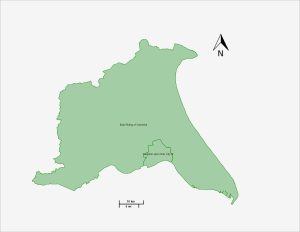
Recruitment Locations
-
Participant Information
-
Dissemination
Summary
Breast cancer is the third most commonly diagnosed cancer in Yorkshire, causing more than 800 deaths per year in the region. Breast screening is one of the key tools to help diagnose breast cancer at an early stage and improve survival rates. Across Yorkshire, in the three years up to 2019/20 an average of 28.6% of invited women had not attended their appointment. Among the non-attenders, a major reason was the difficulty in travelling to the appointment.
This study will assess whether offering free, bookable, door-to-door transport to and from breast cancer screening appointments could increase the number of women attending screening.
What we plan to do
We will compare two groups. Women registered at GPs in group one will receive information about booking free transport alongside their breast
screening invitation. Women registered at GPs in group two will receive the breast screening invitation as normal with no additional offer of transport. Permission to use data collected by the Breast Screening Service on women invited for a breast screening appointment will be obtained.
We expect that providing free transport will increase the overall screening rates, resulting in earlier breast cancer diagnosis and improved survival rates. The findings from this study will inform a larger study.
Blog
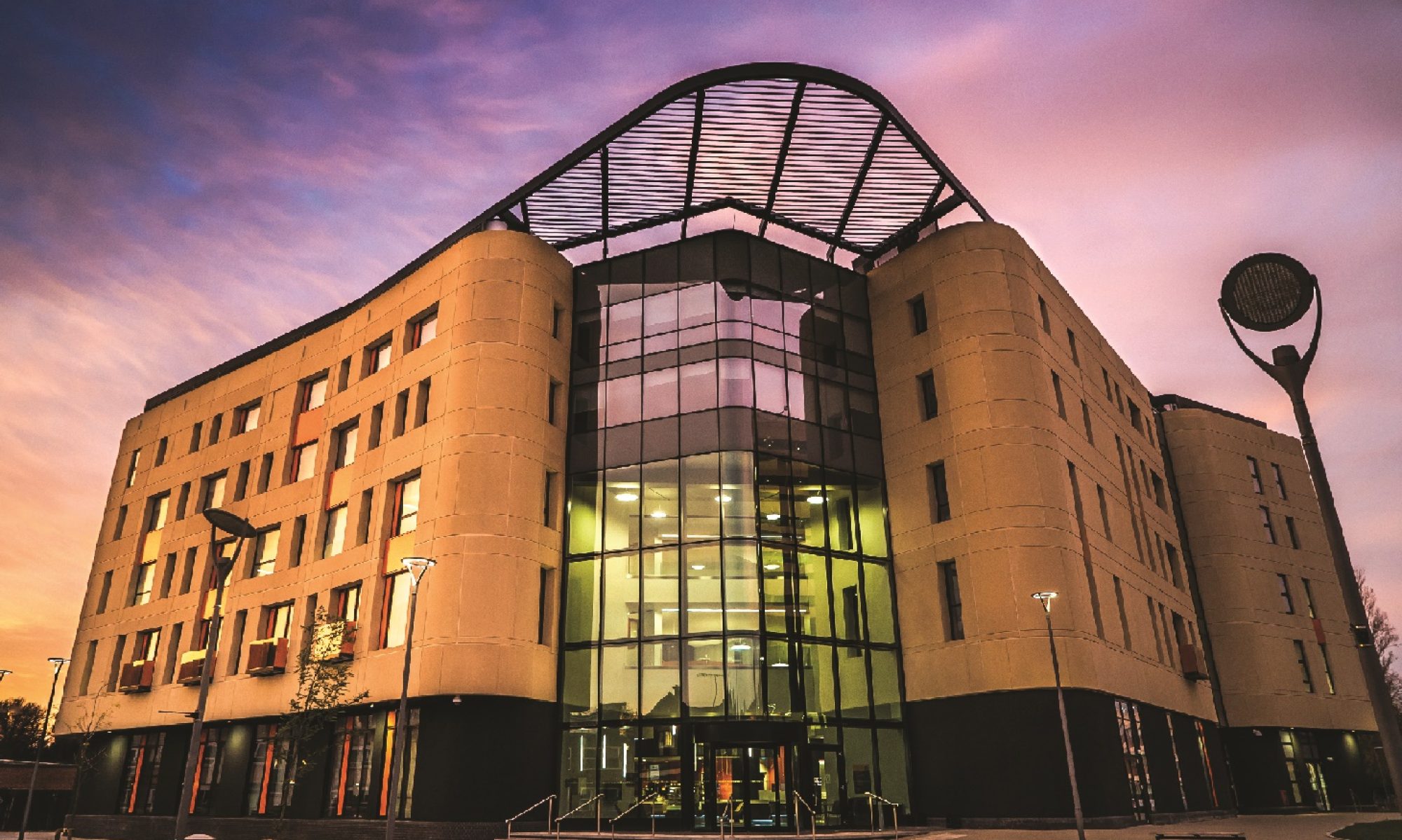
Hull York Medical School, University of Hull
Dr Charlotte Kelly - Chief Investigator
Dr Mahboobeh Haji-Sadeghi Trial Manager - Hull Health Trials Unit
Prof Judith Cohen Director - Hull Health Trials Unit
Dr Chao Huang Statistician - Hull Health Trials Unit
Beccy Acaster Data Manager - Hull Health Trials Unit
John Turgoose Information Systems Manager - Hull Health Trials Unit
Jackie Newman Trial Administrator
Prof Una Macleod Clinical Specialist - Dean of Hull York Medical School
Dr Olufikayo Bamidele Qualitative Specialist
Helen Roberts Patient Public Involvement Coordinator
Dr Hannah Miles Research Associate
Dr Lukas Pitel Statistician
Somana Malik Research Assistant
Dr Lee Stow Research Assistant
Wendy York Research Assistant
Academic Unit of Health Economics (AUHE), University of Leeds
Bryony Dawkins Health Economist
Judy Wright Information Specialist
Wessam Abass Health Economist
Hull University Teaching Hospitals NHS Trust
Lesley Peacock Breast Screening Manager
Email Address
DOORSTEP@hyms.ac.uk
Patient Public Involvement Approach
We are committed to involving patients, carers, families and local communities as active partners in shaping our research. We want to make sure that people with many different perspectives and experiences have the chance to influence what we do and how we do it. This helps us to focus on what really matters to people.
We have set up a Public Advisory Group made up of 4 women of breast screening age which will meet at regular points throughout the trial. The group will help us to develop the travel survey and ensure that the information provided to women about the transport offer, and information for women who take part in the interviews, is written in Plain English. We will discuss accessing NHS breast screening data with the group, and the cost effectiveness evaluation. We will share our initial findings with them for sense checking, and seek their help and advice to disseminate our findings to public audiences. We will involve them in evaluating the trial and helping to plan the next stage of the research. We have also recruited one woman of breast screening age to join the Trial Management Group, and two women to sit on the Trial Steering Committee.
PPI NEWSLETTERS
Public Advisory Group Members
Sally Brown
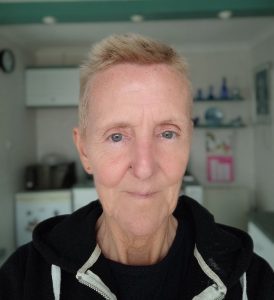
My name is Sally Brown and I live in Hornsea, East Yorkshire. I came across Involve Hull in 2021 whilst looking for clinical trials and ways to participate in research projects. As a former carer for both of my parents, I wanted to share my experiences, to improve services for others in the future. As a woman of breast-screening age I understand the importance of helping to remove barriers to women attending breast cancer screening. Travel and transport are major barriers. My initial role is to review the information (website, posters, surveys) that will be given to the women taking part in the study. Providing feedback to the researchers to ensure that the information is easy to understand.
Clare Giles
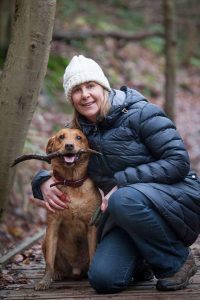
My name is Clare Giles. I am 60 years old, and I live on the south bank of the River Humber. I have used Hull hospitals since just after birth, originally travelling on the ferry from New Holland with my mum, as the Humber Bridge had yet to be built.
I am a cancer survivor and had all my treatment and follow up appointments at Castle Hill Hospital. My cancer was not breast cancer, but a very close friend is a breast cancer survivor. Her cancer was found early, due to the screening programme. Knowing how the anxiety we experienced was exacerbated by transport and parking issues encouraged me to participate in this worthwhile study.
I hope our experiences have enabled me to make a positive contribution to DOORSTEP. The study removes the worries of transport and parking, encouraging women to book and attend their appointments.
Samina Begum
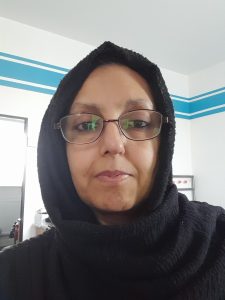
I’m Samina and I come from West Yorkshire. I have been involved in research as a public contributor for over 4 years with University of Hull. I don't have lived experience of breast cancer but know several females in my community who were affected by it.
I am passionate about this research supporting women to access breast cancer screening, particularly from a Muslim and South Asian perspective, where modesty and emphasis on always being covered can be difficult to explain to health professionals. A lack of convenient transport or relying on family members to attend screening are barriers and some women, when using a taxi, would prefer a female driver as this would overcome modesty and safety issues.
Informing women from underserved communities about why screening is important and how it can save lives is key to encouraging attendance. Identifying the barriers to attending appointments, such as childcare
arrangements, unaffordable transport costs or inconvenient screening locations is vital. Ultimately it is about how we can adapt the service to fit women’s different needs, rather than trying to change the women to meet the needs of the service.
Irene Soulsby
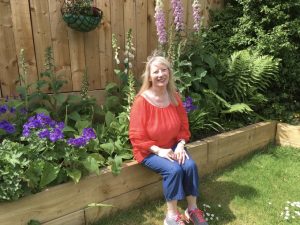
My name is Irene Soulsby and I live near Newcastle upon Tyne. (I have a connection with Hull in that my family worked for one of the Wilberforce family in the 1800s) I found out about Hull University research several years ago and enjoyed the regular meet ups online and contributing to the projects.
I am also a breast cancer survivor and understand the importance of breast screening, my cancer was discovered early. I also appreciate the complications that we might have when travelling to appointments, and why we might not attend. I've been really pleased to contribute to DOORstep, which I think is a fantastic piece of research. As public contributors we have been able to share our real-world experiences and it has been wonderful to see research being developed over the months. I am very pleased to know that a lot of thought has gone into how to improve attendance at these very important screenings.
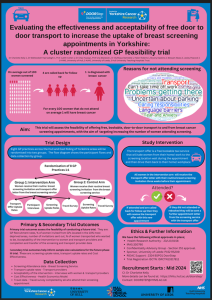
First poster from the DOORSTEP study, produced for the University of Hull TRANSFORM event on the 21st of March 2024. Please click on the picture to see the poster in more detail.
Collaborators